
By Peter Wieltschnig TUC’s Policy Lead – Employment Rights & Labour Markets
What do upmarket hotel Claridge’s, retailer Urban Outfitters and café chain Colicci’s have in common? They have all used so-called ‘talent platforms’: agencies that supply ostensibly self-employed workers to do roles such as shop assistants and coffee shop baristas that most of us would expect to be employees.
A new report from the TUC reveals the price that workers pay in lost protections as employers seek to evade the legal responsibilities that come with employing workers.
The appearance of these agencies comes at a moment when the government has sought to boost workers’ rights. The Employment Rights Act 2025 introduces vital protections like banning exploitative zero hours contracts, protecting workers from harassment and sick pay for all. These changes are a huge step forward.
But unless we urgently tackle the issue of employment status – the rules that determine what rights a worker is entitled to – millions will remain locked out of these rights.
The government now needs to follow through on its pledge to reform worker status.
What Are Talent Platforms?
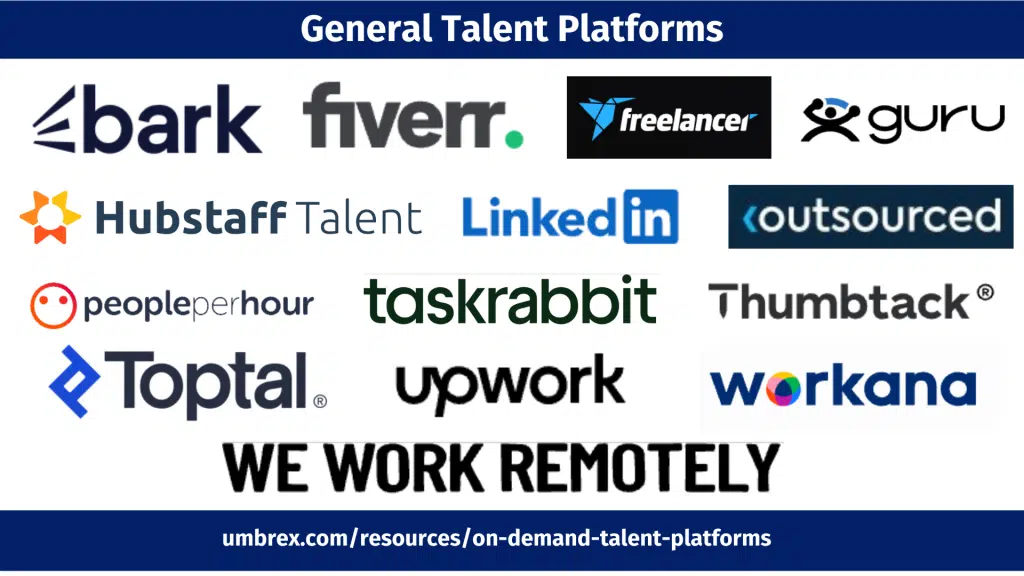
Across the UK, talent platforms like Temper are reshaping the labour market. These are websites or apps that connect people who want to offer services with people who want to pay for them. They promise flexibility and freedom, but for many workers, this is a fiction. Instead of decent jobs, these platforms offer insecurity by design. Workers apply for work on a shift-by-shift basis, and are recruited as self-employed contractors.
Most people think of the ‘gig economy’ as covering food delivery and ride hailing apps. But increasing insecurity in the labour market means more sectors are starting to rely on these practices, including major brands like Urban Outfitters. Where bogus self-employment contracts are offered, it means workers lose out a swath of important rights which can include:
- Minimum wage
- Regular shifts/notice of shift cancellation
- Tips
- Pension contributions
- Collective bargaining
In its Plan to Make Work Pay, the Government pledged to make it harder for employers to use bogus self-employment contracts.
Case study: Colicci Café
Colicci Café describes itself as a ‘family-run’ café and operates across London’s royal parks and “cherished public spaces” – offering work on Temper on a self-employed basis. But despite requiring at least one year experience as a barista, the Cafe only offers £12.50 per hour for a 6.5-hour shift. If a worker chooses Temper’s ‘DirectPay’ option so they can get paid immediately, they sacrifice 2.9 per cent meaning they end up with below the national minimum wage for someone over 21 years old.
Someone wanting to work this shift would have to buy their own all-black outfit if they didn’t already own one (‘no rips’ specified). The job advert warns: “You will be sent home if you are not in the correct uniform.” Being required to wear a uniform is a key indicator of bogus self-employment.
If you are successful in applying for the shift, and buy your uniform in anticipation, Colicci Café retains the right to cancel your shift with just 24 hours’ notice without paying a penny. If it cancels with less then 24 hours’ notice, it pays 50 per cent of the shift cost. If the unlucky applicant has already spent money on their uniform, for childcare, for travel, they might be down money for a shift they never had.
Why employment status matters
The employment rights that you’re entitled to depend on your employment status: employee, worker, or self-employed. Employees enjoy full protections. Workers get some rights, like the minimum wage, but miss out on others, such as protections against unfair dismissal. Those deemed self-employed have virtually none. This complexity creates loopholes that bad employers exploit to cut costs and dodge responsibilities.
The Employment Rights Act strengthens protections, but only for those who qualify as workers or employees. Without further action to move towards a single worker status, bad employers could circumvent the upgraded employment rights and protections by classifying individuals as self-employed
.What needs to happen next
The government has committed to reviewing employment status and moving towards a simpler two-tier system: either you’re a worker with full rights, or you’re genuinely self-employed. That’s the right direction—but we need action now. Here’s what must happen:
- A presumption of worker status – to shift the burden from vulnerable workers to those who wish to deny them protections
- Action to stop ‘substitution clauses’, which allow workers to send someone else to do their work, being used to deny them their rights
- Empower labour market enforcement and strengthening employment tribunals – making sure the Fair Work Agency has the teeth to hold bad employers to account
- Remove loopholes for agency work – employment agencies play an intermediary role between worker and client, muddying the waters of who is actually the employer. The Government should make sure this loophole doesn’t allow employers to avoid providing employment rights
Why this matters
Without these changes, the Employment Rights Act risks being undermined. We’ll see a race to the bottom, where platforms and employers compete to circumvent entitlement to rights and protections. Workers will continue to bear all the risks, low pay, insecurity, and lack of voice, while bad employers reap the rewards.
The government’s promise to make work pay must mean real security. That means closing loopholes, simplifying status, and ensuring that rights apply in practice, not just in theory.
The Campaign For Trade Union Freedom will be holding a spring rally in London on 21st March to launch the campaign for a second Employment Rights Bill to close loopholes and bring forward the workers rights and protections promised in Labour’s New Deal For Workers. More information soon.